
Tendon Findings
Share whether a tear is partial or full thickness, when symptoms began and what imaging shows.

Stem cell care · Costa Rica
Consider your shoulder strength, the tendon findings and the activities you want to discuss.
Request a consultationBegin with a patient advisor
Condition overview
The rotator cuff is a group of muscles and tendons supporting shoulder movement. Tears vary in size and may follow injury or develop over time.
Read more about rotator cuff injuryThe details that shape your review
Your history helps make the conversation specific to you. These are useful starting points for medical review.
Request a consultationYour first conversation is with a patient advisor. Medical suitability is assessed separately.
Share whether a tear is partial or full thickness, when symptoms began and what imaging shows.
Describe weakness, lifting limitations, rehabilitation and any surgical recommendation.
Tell us what you want to understand, what matters in daily life and who you would like involved in the decision.
Stem cell treatment questions
Joint, tendon and ligament problems are different. Ask whether evidence concerns your exact diagnosis and whether a proposed intervention addresses pain, function or a structural change. These are not interchangeable outcomes.
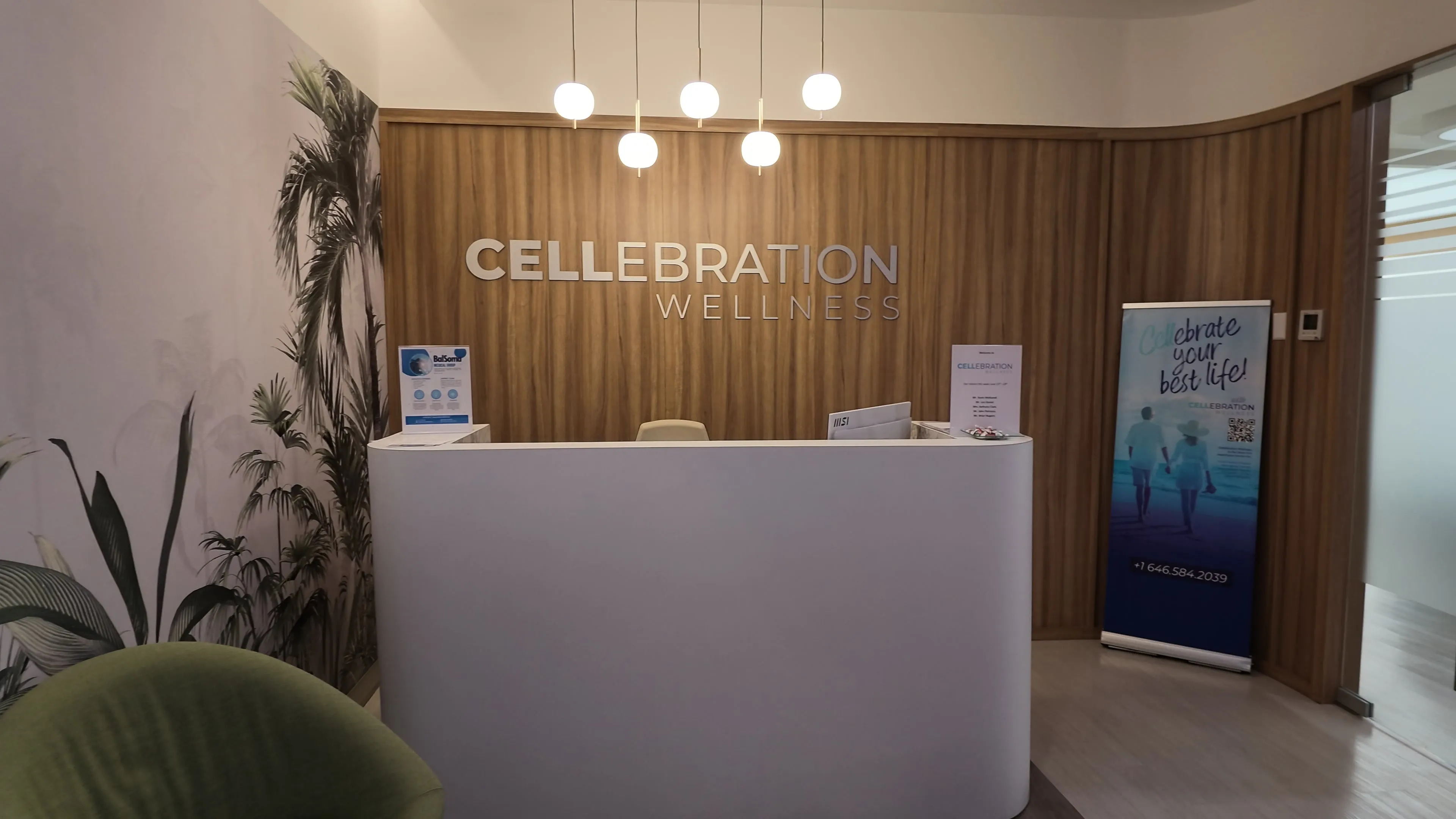
Your visit, clearly planned
Medical decisions and practical arrangements belong in the same plan. Know what is proposed before committing to a visit.
A patient advisor helps orient the conversation and explain the next steps.
Review suitability, evidence, risks and alternatives with the medical team.
Understand the investment, schedule, travel needs and arrangements for follow-up.
Before you decide
Start here, then bring the questions that are specific to your situation.
No. Tear characteristics, symptoms, function and your overall health shape the discussion. A proposed treatment should be compared with the options your orthopedic clinician has explained.
Start with your diagnosis, current medicines and a brief account of previous care. The initial request form does not ask you to upload medical records.
The first conversation is with a patient advisor. Medical suitability requires a separate clinical assessment. If a plan is proposed, discuss the method, evidence, risks, alternatives, full investment and travel needs before deciding.
Your next step
Ask about rotator cuff injury, your previous care and the options you would like to understand.
Request a private consultation
Your first conversation is with a patient advisor. The planned booking calendar follows the request form.
Design preview — use sample details. Nothing is saved or sent.
You’ve reached the end of the request. No details were saved or sent, and no appointment was booked.